Best Parlay Combinations in 2026: Betting Strategy Guide
💡 Key Takeaways
- A 2-leg parlay on standard -110 lines pays approximately +260, while a 3-leg parlay pays around +600 — each additional leg multiplies both the payout and the risk exponentially.
- Correlated parlays, where one outcome makes another more likely, are the most strategically sound combinations — though sportsbooks reduce payouts on obvious correlations through what is called the 'correlation tax.'
- Same-game parlays (SGPs) require a single game narrative — all legs must support the same logical outcome to maximize your probability of hitting.
- Round robin parlays break a large parlay into smaller combinations, meaning you can miss one leg and still cash multiple tickets — the ultimate risk-management tool.
- Teaser parlays allow you to move the spread or total in your favor in exchange for reduced odds, making tough lines far more accessible.
- Never add legs to a parlay just to chase a higher payout — every additional leg reduces your win probability, and only legs with genuine edge deserve a spot on your ticket.
- Keep parlay stakes to a defined, small percentage of your bankroll — parlay volatility is extreme, and emotional bankroll decisions are what cause bettors to blow up their accounts.
📑 Table of Contents
- What Is a Parlay Bet? The Foundation Explained
- The Best Parlay Combinations and Why They Work
- Correlated Parlays: The Smartest Way to Stack Legs
- Same-Game Parlays (SGPs): One Game, Maximum Firepower
- Multi-Game Parlays: Spreading Your Winning Net
- Round Robin Parlays: The Smart Bettor's Insurance Policy
- Teaser Parlays: Buying Points for Safety
- Cross-Sport Parlays: Maximizing Opportunity Across Slates
- Parlay Bankroll Management: Sizing Your Bets Right
- Common Parlay Mistakes to Avoid in 2026
Parlay betting is the closest thing sports wagering has to a cheat code — and the closest thing it has to a trap. The appeal is undeniable: a modest stake multiplied across several legs can return life-changing money on a single ticket. The danger is equally real: a single missed leg turns a near-perfect ticket into worthless paper.
But here is the truth that separates winning bettors from everyone else: not all parlay combinations are created equal. The structure of your parlay — which bet types you combine, how many legs you include, whether those legs are correlated or independent — determines your true probability of cashing far more than any individual pick ever could.
In this definitive 2026 guide, we break down every category of parlay combination, from correlated same-game parlays to round robins, teasers, cross-sport accumulators, and multi-game player prop stacks. You will learn not just which combinations hit the hardest, but which ones offer genuine strategic value and which ones are primarily profit engines for the sportsbook. This is the most comprehensive resource on parlay combinations available — built for bettors who are serious about winning.
What Is a Parlay Bet? The Foundation Explained
A parlay bet — also known as an accumulator, combo bet, or multi bet depending on the region — is a single wager that chains together two or more individual bets into one ticket. The defining rule is absolute: every leg in the parlay must win. If even one selection fails, the entire ticket loses, regardless of how many other legs cashed correctly.
The reason parlays offer dramatically higher payouts than straight bets is precisely this all-or-nothing structure. When you place a standard -110 bet on an NFL spread, your implied win probability is approximately 52.38%. Chain two such bets into a parlay and your combined probability drops to roughly 27.44%. Three legs together sits at about 14.29%. Each leg added compounds both the potential reward and the mathematical difficulty of winning.
To understand how parlay payouts are calculated, think of your stake rolling forward. If you bet $100 on a two-leg parlay with both legs at -110, your winnings from the first leg effectively fund the second. A clean three-leg parlay at -110 odds on each leg would theoretically pay +600 — meaning a $100 bet returns $700 total. In practice, sportsbooks apply their own multipliers that are slightly less favorable than true mathematical odds, which is how they build their house edge on parlay products.
Despite this, parlays remain one of the most popular bet types in the industry — and for good reason. When built intelligently with the right combinations, they represent the single best vehicle for turning a small bankroll stake into a meaningful payout. The key is understanding which combinations to build and which to avoid.
The Best Parlay Combinations and Why They Work
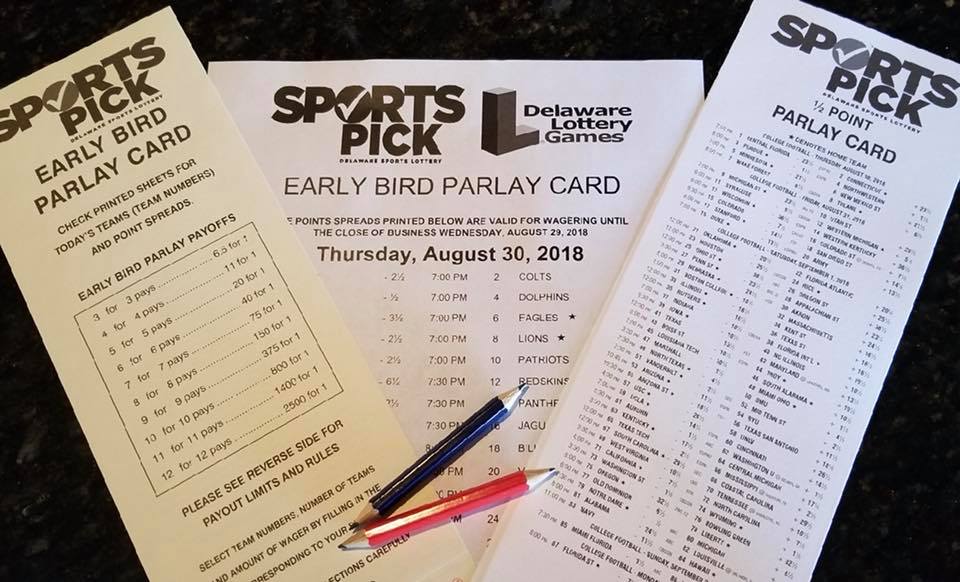
Not every parlay combination carries the same level of strategic value. Some combinations reflect strong logical relationships between outcomes, giving the bettor a genuine edge. Others are simply stacked gambles where luck dominates. The best parlay combinations share three characteristics: each individual leg has a high implied probability of winning, the legs do not contradict each other, and at least some of the legs share a positive correlation — meaning if one hits, the others become more likely.
The 2-3 leg range is widely recognized as the strategic sweet spot for parlay betting. A two-leg parlay at +260 gives you a roughly 28% chance of cashing on standard -110 lines, which is meaningful. A three-leg parlay at +600 drops to about 14%, still respectable. Beyond five legs, implied win probabilities fall into single digits fast, and a 10-leg parlay carries barely a 0.16% chance of winning — lottery-tier odds that sportsbooks love bettors to chase.
The most profitable combinations in practice tend to be built around a central game narrative, a strong thesis about how a specific game or slate of games will unfold. Rather than randomly selecting bets that look appealing in isolation, elite parlay bettors ask: 'What does this game look like if my thesis is correct?' Then they identify two to four legs that all become more likely under that specific scenario. This narrative-first approach to parlay construction is what separates recreational tickets from strategically sound ones.
From a market-type perspective, the best parlay combinations typically involve mixing moneylines, spreads, and totals across carefully selected games. Player prop parlays have also surged in popularity, particularly in baseball and basketball, because individual statistical performance can show more consistency than full-game outcomes. Mixing two or three high-probability prop legs — say, a pitcher to record over five strikeouts alongside a strong hitter to record at least one hit — creates a ticket with a legitimate win rate while still paying at a meaningful multiple.
Correlated Parlays: The Smartest Way to Stack Legs
Correlation is the single most important concept in advanced parlay betting, and understanding it gives you a fundamental edge over bettors who build combinations blindly. Two outcomes are positively correlated when the occurrence of one makes the other more likely. They are negatively correlated when one happening makes the other less likely. And they are uncorrelated — or independent — when the result of one bet has no meaningful effect on the other.
A classic example of a positively correlated parlay in the NFL would be combining a heavy favorite's moneyline win with the game total going over. If you believe a team like the Kansas City Chiefs will dominate a matchup, they likely need to score heavily to build that lead — pushing the total higher. Add Patrick Mahomes clearing his passing yards prop, and you have three legs all reinforcing the same game script: Chiefs dominant, points are scored, Mahomes is efficient. All three outcomes become more probable simultaneously under the same game scenario.
Basketball offers equally rich correlation opportunities. If you expect a top-heavy offensive performance from a team, you can combine that team's moneyline win, the game total going over, and the star player clearing his points prop. When the star plays well, the team tends to win, and higher individual scoring pushes total points up — three deeply connected outcomes living on one ticket.
Baseball correlation works slightly differently. Combining a starting pitcher's strikeout total over with the opposing team's run line or total can create a powerful correlated ticket. If a dominant pitcher is striking out batters at a high clip, runs become scarce — reinforcing an under bet on the game total and validating a bet on the pitcher's team at the run line.
The critical caveat: sportsbooks are fully aware of positive correlations, and they account for them by reducing payouts in same-game parlay markets. This adjustment is known as the 'correlation tax.' On standard multi-game parlays, sportsbooks cannot account for correlations between separate games, which is why sharp bettors hunting for value often prefer multi-game combinations built around a broader market thesis rather than same-game parlays. When two correlated legs genuinely should be priced together, you may still find value — but always check the payout against your true estimated probability before committing.
Same-Game Parlays (SGPs): One Game, Maximum Firepower
Same-game parlays allow you to combine multiple outcomes from within a single game — spreads, totals, player props, and team props — all on one ticket. They have exploded in popularity across every major sport, driven by sportsbooks building intuitive SGP builders and heavily promoting them as part of their core product offering.
The mechanics of same-game parlays differ fundamentally from traditional multi-game parlays. Because the outcomes within a single game are often connected — if the quarterback throws for 350 yards, the team is likely winning; if the game goes to overtime, the total is almost certainly going over — sportsbooks adjust SGP pricing to account for these relationships. You will consistently receive a lower payout on an SGP than you would on a standard parlay built from independently priced bets with the same individual odds.
The most effective same-game parlay strategy is to build your ticket around a single, coherent game narrative before selecting individual legs. Start by forming a thesis: what does this game look like if my read is correct? Then find legs that all become more likely under that specific scenario. For an NFL game where you expect the home team to cruise to a comfortable victory, your SGP might include the home team's moneyline, the game total going over, the starting quarterback clearing his passing yards prop, and a top receiver clearing his receiving yards prop. Every leg feeds from the same root assumption.
What to avoid in same-game parlays is just as important as what to include. Never stack contradictory legs — for instance, betting the game total over while also betting a pitcher's earned runs under in baseball, or backing the under while also taking multiple anytime touchdown scorers in football. These combinations are self-defeating; if one hits, the other becomes far less likely, which means you are essentially betting against yourself. Sportsbooks may allow such combinations, but the narrative falls apart under scrutiny.
Keep same-game parlays to a manageable number of legs — two to four is the strategic range that most professional bettors recommend. Beyond four legs, the probability of hitting every outcome within a single game compresses rapidly. SGPs with six, seven, or eight legs make for exciting-looking tickets, but their actual win rates make them difficult to justify as a consistent strategy. Treat SGPs as complementary plays in your overall parlay strategy, not as a primary vehicle for long-term profit.
Multi-Game Parlays: Spreading Your Winning Net
Multi-game parlays are the oldest and most common form of parlay betting — combining two or more selections from different games or even different sports into a single ticket. Unlike same-game parlays, where outcomes within a game may be correlated and sportsbooks adjust pricing accordingly, multi-game parlays price each leg independently. This independence means your payout calculation is closer to true mathematical value, making multi-game parlays the preferred structure for bettors seeking genuine odds advantage.
The most straightforward and popular form of multi-game parlay is the moneyline parlay across heavy or moderate favorites. Rather than chasing massive payouts by stringing together underdogs, moneyline favorite parlays involve identifying three to five teams with high individual win probabilities and combining them. Each individual leg might pay very little on its own — a -200 favorite returns only fifty cents on the dollar — but parlayed together, three such favorites can generate odds of +170 to +250 while maintaining a respectable combined win probability.
Spread parlays are another staple of the multi-game format. A standard two-leg spread parlay at -110 per leg pays approximately +260, offering solid value if you are confident in two spread selections. Three-leg spread parlays sit around +600, and four-leg parlays reach approximately +1100. The key to building sustainable spread parlays is rigorous selectivity — every leg should be a bet you would make individually, not a filler pick added solely to inflate the payout.
Player prop parlays across multiple games represent one of the most exciting frontiers in modern parlay betting. Markets like hits in baseball, points or assists in basketball, and passing yards in football allow bettors to stack high-probability individual performance outcomes across a full slate. An approach that has gained significant traction is focusing on high-probability props — players with demonstrated consistency in a specific statistical category who are in favorable matchups — and targeting the over on two or three of them. Baseball hits parlays, for example, can yield solid returns because experienced hitters facing weak pitching in hitter-friendly parks have genuinely high hit probabilities on any given day.
Round Robin Parlays: The Smart Bettor's Insurance Policy
The round robin is one of the most underutilized and misunderstood parlay structures available at major sportsbooks — and for bettors willing to understand its mechanics, it represents a powerful risk-management tool. A round robin does not place one parlay on all your selections simultaneously. Instead, it automatically creates every possible smaller parlay combination from your full set of picks, effectively giving you a portfolio of parlays rather than one all-or-nothing ticket.
Here is how it works in practice. Suppose you have four strong selections — call them A, B, C, and D. A traditional four-team parlay requires all four to win. A 2-pick round robin, by contrast, generates all six possible two-leg parlays from those four teams: A+B, A+C, A+D, B+C, B+D, and C+D. If Team D loses and every other team wins, you still cash three of your six parlays — A+B, A+C, and B+C — rather than losing your entire stake. The trade-off is that you must stake six times your intended unit, since each individual parlay carries its own bet.
This structure makes round robins particularly attractive when you have confidence in a pool of selections but recognize that one upset is always possible. If you back five teams across a busy NFL Sunday, a round robin built from 2-pick or 3-pick combinations lets you survive one bad result while still generating meaningful profits from the remaining hits. A five-team 3-pick round robin, for instance, creates ten separate three-leg parlays, and losing any single selection still leaves six winning tickets alive.
The primary drawback of round robins is cost. A four-team 2-pick round robin costs six units of stake — one for each combination. A five-team 2-pick round robin costs ten units. Bettors must always verify the total cost before placing, as the cumulative stake across all combinations can be significantly higher than it appears at a glance. Despite this, when used strategically with genuine confidence in each selection, round robins offer one of the best risk-adjusted returns available in the parlay betting landscape.
Round robins are most effective when built around a pool of moderate to heavy favorites on the moneyline or well-researched spread selections. They are particularly valuable during heavy slates in the NFL, NBA, or MLB when you identify a strong cluster of confident plays but do not want to risk the all-or-nothing pressure of a single large parlay.
Teaser Parlays: Buying Points for Safety
A teaser parlay is a modified form of the traditional parlay where you purchase extra points on the spread or total for each leg of your ticket in exchange for reduced odds. In the NFL, a standard six-point teaser allows you to move each spread or total by six points in your favor. A team originally listed at -7.5 becomes -1.5 after the tease. An over/under originally set at 46.5 becomes 40.5 if you need extra cushion on the under. The payout is lower than a standard parlay — a two-team six-point NFL teaser typically pays around -110 to -120, compared to +260 on a standard two-leg parlay — but the legs are dramatically easier to hit.
The power of NFL teasers specifically comes from crossing key numbers in football scoring. The most important numbers in NFL scoring are 3 (a field goal) and 7 (a touchdown plus extra point). A six-point teaser that crosses both 3 and 7 provides exceptional value by covering the two most common margins of victory in the sport. If a team is favored by 7.5, teasing them to -1.5 means they simply need to avoid losing outright — and crossing both 7 and 3 in the process dramatically increases your hit rate on that leg.
Two-team teasers are the bread and butter of professional teaser bettors. Three-team teasers offer better payouts but require three legs all to land — a meaningful jump in difficulty. The standard advice from sharp bettors is to limit teasers to two legs when the key number crossings are genuinely favorable, and to extend to three legs only when the third leg offers equally compelling movement across key numbers.
Basketball teasers exist but are less popular among sharp bettors because basketball scoring is more fluid and the equivalent 'key numbers' are less concentrated than in football. A 4.5-point basketball teaser does not provide the same structural edge that a 6-point NFL teaser does at key numbers. That said, teaser products vary by sportsbook, and some operators offer attractive terms that can make basketball or hockey teasers worth exploring situationally.
One critical rule: never tease a total up when you want the over. Moving a total higher to bet the over is working against yourself. The teaser is designed to give you more cushion — move the total down if you like the under, and move a spread down if you are backing the favorite. Teasers that move lines in the wrong direction for your thesis are a structural mistake that instantly eliminates your value.
Cross-Sport Parlays: Maximizing Opportunity Across Slates
Cross-sport parlays combine selections from two or more different sports on the same ticket — for example, an NFL spread alongside an NBA moneyline and an MLB team total. Most major sportsbooks support cross-sport parlay construction, and the format opens up a much broader opportunity set than betting within a single sport on any given day.
The strategic case for cross-sport parlays is straightforward: on days where one sport offers only one or two confident plays, crossing into another sport allows you to round out your ticket with genuinely high-conviction selections rather than forcing a third leg from a sport where the value is not present. If you have strong reads on an NFL spread and an NHL puck line but are not confident in any NBA spread, building a two-leg cross-sport parlay is far more disciplined than padding it with a questionable basketball pick.
The key discipline in cross-sport parlays is independence. Since the games are from entirely different sports, the legs are truly uncorrelated — an NFL outcome has zero statistical relationship with an NBA result. This independence means you are not benefiting from correlation as you might in a same-game parlay, but you are also not facing any correlation tax. The math on a cross-sport parlay is clean: simply multiply the true probability of each leg to find the combined probability.
The best approach to cross-sport parlays is to identify your top one or two plays from each relevant sport on a given day and let those form the foundation of your parlay. Never add a cross-sport leg simply because the game is happening — add it only because you genuinely believe in the selection. The highest-performing cross-sport parlays are typically short: two to three legs drawn from the sharpest plays across different sports, rather than sprawling five- or six-leg accumulations built just to chase a big number.
Parlay Bankroll Management: Sizing Your Bets Right
Parlay bankroll management is a discipline that separates sustainable bettors from those who flame out after a few bad weekends. Because parlays carry exponentially higher variance than straight bets — a five-game cold streak on single bets costs you five units, but five straight missed parlays at 2 units each costs you ten — the sizing discipline required for parlay wagering is even more rigorous than standard betting.
The foundational rule is to dedicate a separate, clearly defined portion of your bankroll exclusively to parlay bets. Many experienced bettors allocate no more than 10-15% of their total bankroll to parlay activity in any given week. Within that allocation, individual parlay stakes should be kept small relative to the total pot — typically 1% to 3% of your overall bankroll per ticket. This means that on a $2,000 bankroll, no single parlay should cost more than $20 to $60.
Resist the temptation to size up on parlays when you feel confident in a large ticket. Confidence in a 6-leg parlay does not change the mathematical reality that your true win probability is in single digits. Bet size should reflect probability, not emotional conviction. A parlay that returns $2,000 from a $50 stake sounds exhilarating — and it is — but only when it lands as part of a disciplined, systematic approach where the stakes never exceed what you can afford to lose on any given ticket.
Tracking your parlay bets with the same rigor you would apply to straight bets is equally important. Log every ticket: the legs, the odds, the stake, and the result. Over a meaningful sample size, your data will reveal which parlay structures and which sports or bet types generate the best return on investment for your specific approach. Many bettors discover they run positive on two-leg favorite parlays but consistently lose on large multi-leg accumulations — insights that can only surface through disciplined record-keeping.
Finally, resist the urge to chase losses with bigger parlay bets. The standard behavioral trap of parlay betting is doubling down after a near-miss — a ticket where one late-game result killed an otherwise perfect slip. That near-miss does not mean the next ticket is due to hit. The next parlay carries exactly the same mathematical probability as any other. Treat each ticket as an independent event and size every bet according to your pre-defined bankroll rules, not your emotional state.
Common Parlay Mistakes to Avoid in 2026

Even experienced bettors fall into structural parlay traps that quietly erode their results. The most common and damaging mistake is adding legs purely to chase a higher payout. Every leg added to a parlay reduces its implied win probability. A leg included because it inflates the odds from +600 to +900 — rather than because you genuinely have an edge on the outcome — is a leg that statistically works against you. The discipline of refusing to pad your parlay with low-conviction picks is one of the highest-value habits a bettor can develop.
The second major mistake is building same-game parlays with contradictory legs. This happens when bettors select outcomes within a single game that are negatively correlated — outcomes where one happening makes the other less likely. Backing the game total over while also including a bet on a shutdown defensive performance, or taking a wide receiver's receiving yards over while also fading the quarterback's passing yards — these are self-defeating combinations that reduce your true probability of cashing even when the sportsbook happily accepts the ticket.
A third widespread error is failing to shop lines across sportsbooks before placing a parlay. Parlay odds vary meaningfully between books, and even small differences in individual leg pricing compound significantly in a multi-leg combination. An extra ten cents of vig on each of three legs in a parlay can reduce your overall expected value by a measurable margin. Using multiple sportsbook accounts and comparing parlay payouts before placing — especially on larger tickets — is a habit that pays tangible dividends over time.
Over-loading parlays with too many legs is another structural error that is disproportionately common among newer bettors who are drawn to the massive advertised payouts on 8-leg, 10-leg, and 12-leg accumulator tickets. The implied win probability on a 10-leg parlay at standard -110 odds is approximately 0.16%. That means you would need to win this bet type once in every 625 attempts just to break even — a frequency that makes sustainable profits essentially impossible. Limiting parlay size to two to five legs, built from genuinely researched selections, is the structural foundation of profitable parlay betting.
Finally, many bettors underestimate the importance of timing when placing parlay bets. Lines move as game time approaches, and a leg that looked sharp when you first identified it may shift significantly by kick-off. Getting your parlay in at the optimal line — when each leg offers the best available price — requires monitoring odds across books and placing tickets at the right moment rather than waiting until the last minute. For same-game parlays in particular, prop lines can move dramatically based on injury updates, lineup confirmations, and sharp action, making early placement or careful monitoring essential.
❓ Frequently Asked Questions
What is the best number of legs for a parlay?
The strategic sweet spot is two to three legs. A two-leg parlay at standard -110 odds pays approximately +260 with a 27-28% win probability. A three-leg parlay pays around +600 with roughly a 14% win probability. Beyond five legs, win probabilities drop into single digits, making consistent profitability extremely difficult. Two to three well-researched legs offer the best balance between payout multiplier and realistic win rate.
What is the difference between a same-game parlay and a regular parlay?
A regular multi-game parlay combines bets from two or more different games, treating each leg as an independent event. A same-game parlay (SGP) combines multiple bets from within a single game — spreads, totals, and props from the same matchup. Because outcomes within one game are often correlated, sportsbooks apply a 'correlation tax,' reducing SGP payouts relative to what a standard parlay with the same individual odds would pay. Both formats have strategic uses, but they require different construction approaches.
Are correlated parlays legal?
Yes, correlated parlays are completely legal. However, sportsbooks limit how you can use them. For same-game parlays, books automatically adjust odds to account for positive correlations, reducing your payout. In multi-game parlays, sportsbooks typically prohibit placing the same team on the moneyline and against the spread simultaneously, as this is a directly correlated combination. Beyond that, legally building correlated combinations within a single game or across games with a logical narrative is a standard and accepted practice.
What is a round robin parlay and when should I use one?
A round robin parlay breaks a pool of selections into every possible smaller parlay combination. With four picks in a 2-pick round robin, you generate six two-leg parlays from those selections. The key benefit is that you can miss one leg and still cash multiple combination parlays. Round robins are best used on high-confidence slates — such as a busy NFL Sunday with four to five strong plays — when you want insurance against a single upset without abandoning your overall read on the day.
What is a teaser parlay?
A teaser parlay lets you move the spread or total on each leg by a fixed number of points in your favor, in exchange for reduced odds. In NFL betting, the standard six-point teaser is most popular, as it allows crossing key scoring numbers (3 and 7) that frequently decide game margins. A two-team six-point NFL teaser typically pays around -110 to -120 rather than the +260 of a standard two-leg parlay. Teasers work best in football where key number crossings offer genuine structural value.
How much of my bankroll should I put on parlays?
Experienced bettors typically allocate 10-15% of their total bankroll to parlay activity and keep individual parlay stakes at 1-3% of their total bankroll per ticket. Parlays carry far higher variance than straight bets, meaning losing streaks can feel brutal. Keeping stakes small relative to your total bankroll ensures that a bad run of parlay results does not wipe out your entire account, allowing you to continue betting and recovering when your selections regress to their true expected win rate.
Can I combine different sports in one parlay?
Yes. Cross-sport parlays — combining bets from two or more different sports on the same ticket — are supported by virtually all major sportsbooks. They make strategic sense when your confident plays span multiple sports on a given day, and they avoid the temptation to add questionable legs just to stay within a single sport. Cross-sport legs are fully independent, so the math is clean and there is no correlation tax applied.
Do sportsbooks have a higher edge on parlays than on straight bets?
Yes, significantly. Sportsbooks typically hold around 5% on single straight bets but hold approximately 30% on parlay products. This gap reflects the compounding of vig across multiple legs and, in the case of same-game parlays, the correlation tax built into pricing. This does not make parlays a bad strategy — it means they must be built with discipline and genuine edge on each leg rather than treated as lottery tickets where random selections can generate consistent profits.
Conclusion: Parlay Smart, Not Just Big
Parlays are not a shortcut to easy money — but they are the single most powerful tool in a disciplined bettor's arsenal when used correctly. The difference between profitable parlay bettors and those who constantly chase losses comes down to two things: the quality of individual leg selection and the structural intelligence of how those legs are combined.
The best parlay combinations in 2026 are built around clear game narratives, genuine correlations between outcomes, and a strict limit on the number of legs. Whether you prefer same-game parlays stacked around a single team's dominant performance, multi-game spread parlays across a busy NFL slate, round robins that provide insurance on a cluster of strong reads, or teaser parlays that buy key number crossings in football, the principles remain constant: every leg earns its spot on the ticket through research, and the overall structure supports — rather than contradicts — a coherent outcome thesis.
Keep your stakes proportional, your leg count disciplined, and your record-keeping meticulous. Over a meaningful sample of bets, these habits compound into real results. Parlay smart, and the combinations will do the rest.
FREE STATS & STAKING TRACKER
Log your bets, track CLV, and manage your bankroll like a pro with our institutional-grade tracking tool.
OPEN FREE TRACKER